
9 Hidden Gems in Portugal that nobody talks about
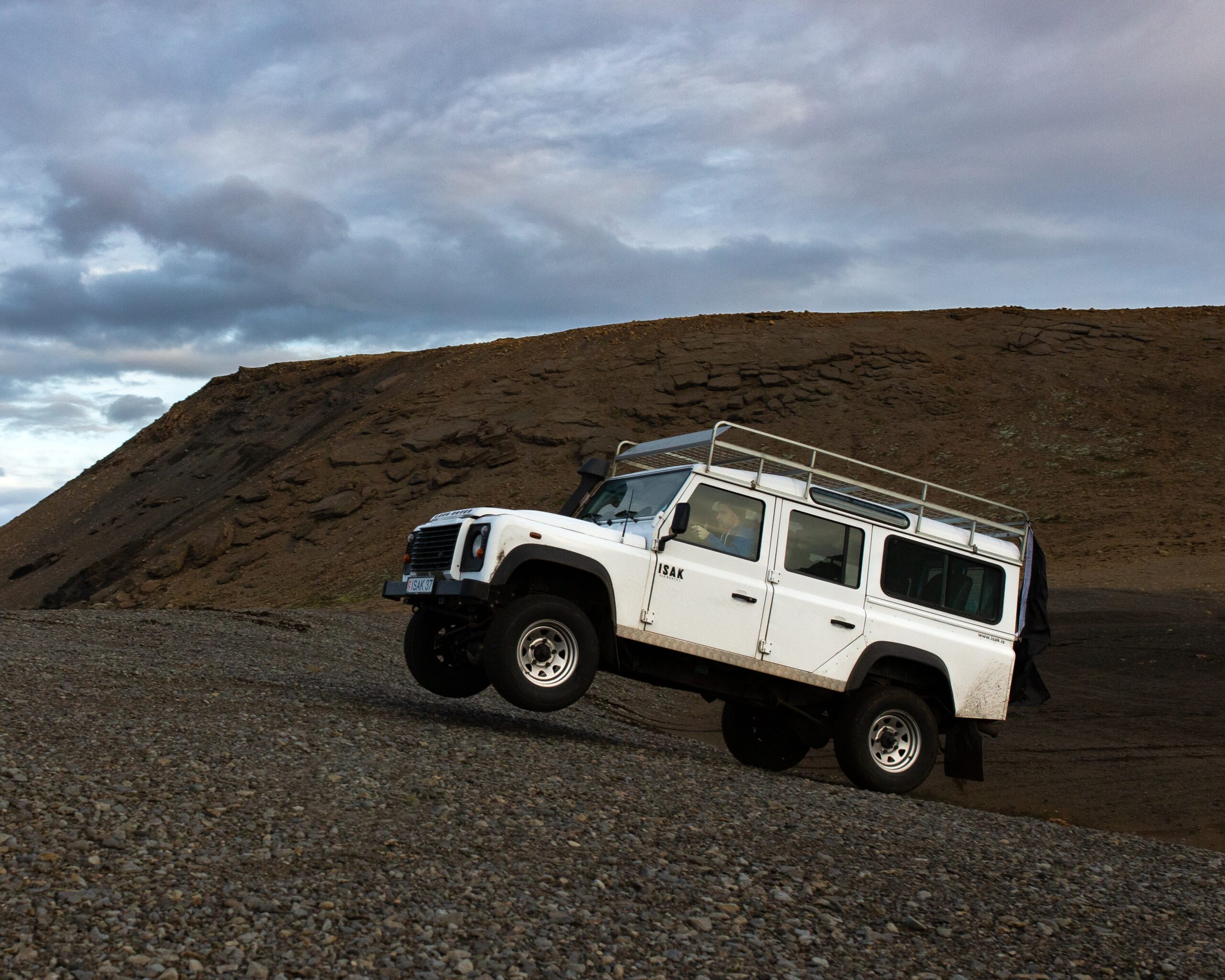
4×4: tips for your first ride
April 4, 2022
What to wear in Portugal, by an actual Portuguese person
April 18, 2022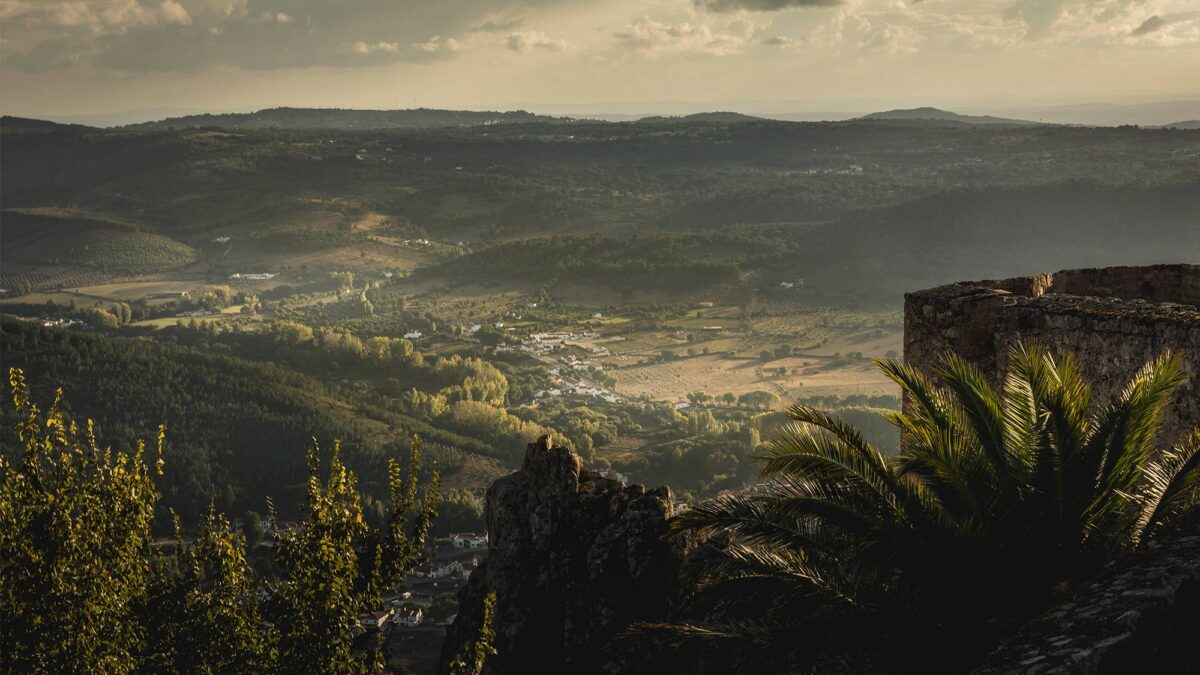
So you are in love with Portugal. You’ve been browsing the internet since what feels like forever for pictures of sleepy villages, sunny beaches and sunlit meadows full of tanned people having the chillest, best time of their lives. You dream of coming to this small, cozy country and leave the beaten track in search for a wholesome experience of freedom (and amazing food) that you can’t get anywhere else.
Wait no longer. Here at Start Adventure, we are Portuguese. We regularly go on off-road expeditions in places tourists aren’t familiar with. So, we know what we’re talking about and we are ready to disclose the hidden gems in Portugal that nobody talks about, except for the locals.
Are you ready to know our secrets? Get that notebook where you plan your trips and write down this bucket list:
1. Meia Via, Santarém
Never heard of it? A lot of Portuguese people who don’t know the district of Santarém that well haven’t either. You may have heard of Santarém, though, as the home to Santuário de Fátima, which is a huge religious sanctuary built where holy apparitions were said to have happen about a century ago…
Meia Via is about twenty minutes away from said sanctuary. It’s a typical village in the interior region of Portugal. A sleepy place in the middle of nowhere. Why would you go there? Nobody ever does.
Well, in order to get there, you have to cross delicious, unique, sunlit valleys. You can hike through the bush and pass olive trees and cork trees which are over a hundred years old. There are ancient walls of rugged stone built by long-gone shepherds. They are dotted with white lichen. Sit and rest and, if it is the summer, take a listen: here you can find absolute silence but today, hundreds of cicadas are singing all around you. Other insects fly in beams of the clearest, whitest sunlight you have ever seen.
In Meia Via, the setting sun paints the fields and the little white houses in gold. Chat with the elderly sitting by the local cafe, for they will surely take you in and pour a glass of aguardente, or fire water.
2. Lourinhã, Lisbon
Google “Lourinhã” and the first thing you will see are dinosaurs. Lourinhã is a place where many important fossils were found and are being found to this day, making it an important archeological site.
It is also a place where you can find a charming dinosaur park, with huge replicas of ancient dinosaurs hidden among a vast pine forest that you can walk through peacefully. It is the perfect destination for a time of pandemic, since you can be outdoors and keep your distance from other people… so, no worries for you on that department.
Not only can you visit this main tourist attraction, you can also roam around Lourinhã, stop by its sleepy villages and soak in the sun by the sea, as you sit down on the ancient rocks and stones of the Portuguese shore where dinosaur nests are still being tripped upon. Dip your toes in the ocean and take a deep breath. All of your problems have suddenly disappeared. Isn’t it amazing?
3. Citânia de Briteiros, Braga
The district of Braga is way up in the rough and tough north of Portugal. You may have heard of the region of Guimarães, often called the birthplace of Portugal for it is where it first became a nation — and it is also where our first king, Afonso Henriques, was born and where he lived and reigned over his kingdom.
If you visit Braga and Guimarães, you will find yourself walking the cobbled streets of a medieval Portugal, looking up at gargoyles and stained glass windows. However, there is more to be found here. Citânia de Briteiros is a village dating back to the Iron Age.
Stand among these ruins, influenced by the Roman occupation of the Iberian Peninsula, and be sure of the former existence of druids, warriors and pagan games and banquets. Yes, Portugal also has a rich Celtic heritage. The stones once used by these ancient people are still here, grey and rugged, covered in burnt moss and white lichen.
Look for Pedra Formosa while you visit this unique archeological site. It is a door-like stone monument with ancient carvings that was subject to many interpretations but that now is known to have been part of a bathhouse… It was supposedly part of a ritual in which a warrior passed through a very small opening in the monument.
4. Luso, Aveiro
Yes, you may have heard of Aveiro as a quaint seaside town with gondola-like boats. But that is no secret to the hundreds of exchange students that come to the University of Aveiro and enjoy its traditions and trips to the beach every year.
Luso, however, is probably a hidden gem to travelers such as yourself, even though everyone in Portugal has heard about it or visited at least once. And Luso is best known for its thermal waters.
You may have been to a supermarket or a cafe in Portugal to buy a bottle of water, and you may have noticed a brand called “Luso”. Luso is famous as a thermal village, where stone fountains and quaint gardens can be found. It is peaceful here. It is whimsical. You had never thought of coming here. Nearby is Mata do Bussaco, where you can cross wooden bridges over green lakes, hike by colossal trees, and enjoy this peaceful country to the most.
5. Caldas da Rainha, Leiria
Leiria is a district in the Center region of Portugal and may be quite the hidden gem for tourists who focus mostly on Lisbon or Porto. You may visit the castle in Leiria where the goth festival Entremuralhas is held during the summer, but you may be missing out on the quaint town of Caldas da Rainha, which is about 40 minutes away from this checkpoint.
It’s a very romantic place, with beautiful parks to stroll in with your loved one, under patches of shadow and light cast by poplars and sycamores. It may remind you of Sintra, but significantly less people come here — besides, there is a lake where you can rent the cutest little row boat and feed the ducks and swans.
Caldas da Rainha is home to art and ceramics museums which are simply lovely (though be warned, you may find plenty of bizarre, modern art-type ceramic pieces mixed in with the old school stuff). There is also an abandoned thermal hospital that is quite the typical abandoned gothic manor, quaint fountains and cute houses covered in colorful tiles.
End the perfect romantic day not too far from Caldas da Rainha, by the sea shore in Foz do Arelho. There are wooden footbridges (these are quite popular in Portugal nowadays) where you can take a walk without getting your feet in the sand. But why wouldn’t you want to hit the beach here? It’s the perfect Portuguese beach you’ve been dreaming of your entire life, with lagoons of a deep blue and golden sand dunes as far as the eye can reach.
6. Proença-a-Nova, Castelo Branco
Hard to say it’s name, but once you come across this hidden gem, you will never forget how to spell it. Nor will you ever forget its enchanting river beach, which has been carefully taken care of by its locals. You can sit by this kind of lake formed by the river, a fluvial beach, and enjoy a beer in peace. Nature is all around you and the cicadas sing in the summer. There are quaint, little stone houses from another time, a simpler time when your grandparents were young. A strange, but sweet, nostalgia you had never felt before begins to warm your spirit: it is what we call saudade.
The best part, of course, is that you can go for a dive in the deliciously cool water. There are waterfalls for you to enjoy, ancient bridges for you to explore, and amazing comfort food for you to eat. Don’t shy away from the locals, as they are always happy to meet a foreigner and take them in for a drink, even if they don’t speak your language (which they might… do not be surprised if elderly people in faraway villages can speak French or even a little English. This is because of the high levels of emigration Portugal has always known).
7. Alcobaça, Leiria
You’ve probably been through many tour guides which feature endless monuments and historical sites… after all, Portugal is crawling with them. Most people only care about the ones around Lisbon or Porto, but maybe you’ve heard of Leiria because of its castle or its Batalha Monastery.
Well, in Leiria you will be able to find Mosteiro de Alcobaça, or Alcobaça Monastery. It’s not in the center of Leiria, as it takes about 40 minutes to reach it. However, it is a true hidden gem. The town around the monastery feels old, warm and cozy. It’s a charming place, oozing with niceness. There are huge sycamores casting a pleasant shade over you as you gaze up at the monastery and (local tip) buy an incredible loaf of bread at a local shop (it will taste just like the ones your grandmother would make in a stone oven, if she ever had one).
This monument is extremely well preserved and it is very interesting too. You are able to see the kitchens, the scriptorium, the garden and its gargoyles, the hospital wing… the place is filled with detail, and you can’t help but feel as though you are in a Ken Follett novel.
8. Podence, Bragança
In the northeast of Portugal, there is the district of Bragança. Here, you can find the true North of Portugal. It is frequently overlooked by visitors, and maybe because of that, it is genuine, unique and rich in tradition and natural parks and woodland. In this part of the country, many cultures have come together and exist still through remnants of Pagan, Roman and Medieval times.
It is in the village of Podence where the Carnival is celebrated in a very unique way, with men dressed in colorful wool costumes. They are called Caretos. They wear a colorful mask of wood or leather, they are devilish and mysterious and come out to play. They carry sticks, bells and things that rattle. Their goal is to “rattle” the girls, or, to dance with them. When you see them, you know that the darkest days of winter have ended. It is an extremely ancient tradition that Portuguese people treasure dearly and which is part of UNESCO’s Intangible cultural heritage.
This quaint, charming place is worth the visit. Don’t forget to roam Bragança, where there are many monuments, forests and whimsical cobbled streets to explore.
9. Elvas, Portalegre
In the south of Portugal you will find the region of Alentejo, which is known for its high temperatures in the summer and its bright landscapes, flavorful foods and rich wines.
Elvas is full of fine examples of the heritage of humanity, such as a Roman aqueduct called Aqueduto da Amoreira. It is 8.5 kilometers long, 31 meters high and features over five arcades and towers. It is impressive and worth the trip. However, there are quaint castles of light-colored stone to be visited, old churches, and a star-shaped fort. Forte da Graça is a unique and original military fortification from the 15th century. You’d never guess you’d be in a star-shaped fort one day.
Interested in Portugal? Here at Start Adventure, we offer small groups of visitors off-road expeditions to discover the wonders of Portugal, its landscape, food and people. One of our best trips is Rota das Serras. With us, you are sure to have a pleasant ride and enjoy this unique country without ever missing out on its true essence.
We are always available for a chat at Start Adventure. Do follow us on social media so as not to miss any upcoming dates and trips.